GSTGST : 27AJXPS1284N1Z4
Call UsCall Us:- 07313726717

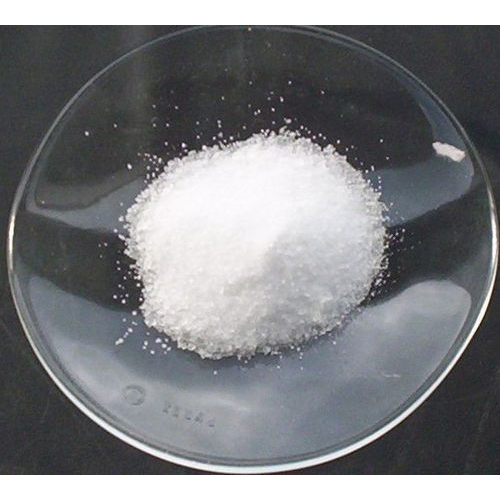
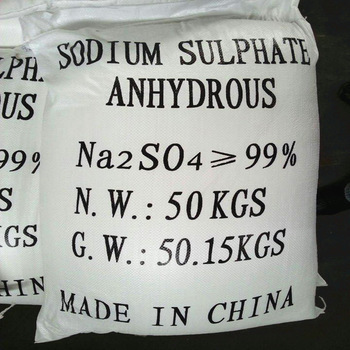
Sodium Sulphate Anhydrous

Sodium Sulphate Anhydrous

Sodium Sulphate Anhydrous Specification

  • Density
  • 2.664 g/cm3 (anhydrous) Kilogram per cubic meter (kg/m3)
  • Solubility
  • insoluble in ethanol
  • Other Names
  • Global Salt
  • Molecular Formula
  • Na2SO4
  • CAS No
  • 7757-82-6
  • Usage
  • Sodium sulfate has unusual solubility characteristics in water.[9] Its solubility in water rises more than tenfold between 0 C to 32.384 C, where it reaches a maximum of 49.7 g/100 mL. At this point the solubility curve changes slope, and the solubility becomes almost independent of temperature. This temperature at 32.384 C, corresponding to the release of crystal water and melting of the hydrated salt, serves as an accurate temperature reference for thermometer calibration. Sodium sulfate is a typical electrostatically bonded ionic sulfate, containing Na+ ions and SO42 ions. The existence of sulfate in solution is indicated by the easy formation of insoluble sulfates when these solutions are treated with Ba2+ or Pb2+ salts: Na2SO4 + BaCl2 2 NaCl + BaSO4
 

Sodium Sulphate Anhydrous Trade Information

  • Minimum Order Quantity
  • 200 Kilograms
  • FOB Port
  • Ex Bhiwandi ,Maharashtra
  • Supply Ability
  • 75 Kilograms Per Week
  • Delivery Time
  • 1 Days
  • Packaging Details
  • 50 Kgs Bags
  • Main Domestic Market
  • All India
 

About Sodium Sulphate Anhydrous

Sodium sulfate (also known as sodium sulphate or sulfate of soda) is the inorganic compound with formula Na2SO4 as well as several related hydrates. All forms are white solids that are highly soluble in water.

Sodium Sulfate, Anhydrous is chemically very stable, and is unreactive toward most oxidizing or reducing agents at normal temperatures. It is a neutral salt and will form aqueous solutions with a ph of 7. Anhydrous sodium sulfate occurs in arid environments as the mineral thenardite; however the decahydrate (sc-203405) is the most abundant natural form and is derived from the mineral, mirabilite, often found in lake beds. Anhydrous sodium sulfate is used in the laboratory as an inert drying agent for removing traces of water from organic solutions. It is only effective below 30 deg C, but is fairly inert and can be used with a variety of materials.

Properties:
  • Formula: Na2SO4
  • Molar mass: 142.04 g/mol
  • Other anions: Sodium selenate
  • Main hazards: Irritant
  • Other cations: Lithium sulfate
  • CAS Number: 7757-82-6
  • Molar mass: 142.04 g/mol (anhydrous)
  • Appearance: white crystalline solid
  • Odor: odorless
  • Density: 2.664 g/cm3 (anhydrous)
Tell us about your requirement
product

Price:

Quantity
Select Unit

  • 50
  • 100
  • 200
  • 250
  • 500
  • 1000+
Additional detail
Mobile number

Email

More Products in Industrial Chemical Category

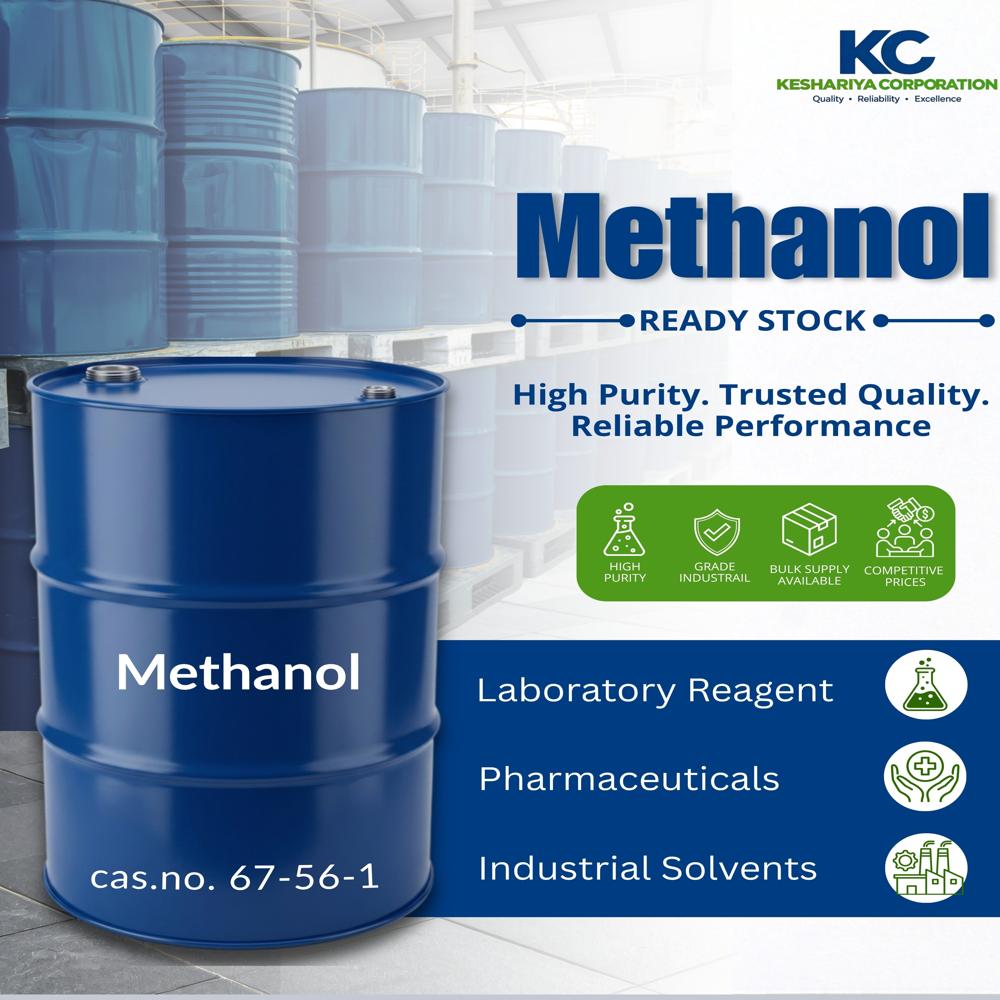
Methanol chemical

Methanol chemical

Price 50.00 INR / Liter

Minimum Order Quantity : 400 Liters

Usage : Industrial Use. 99 % Pure Make:Imported

Purity : 99.9%

CAS No : 67561

Grade : Other
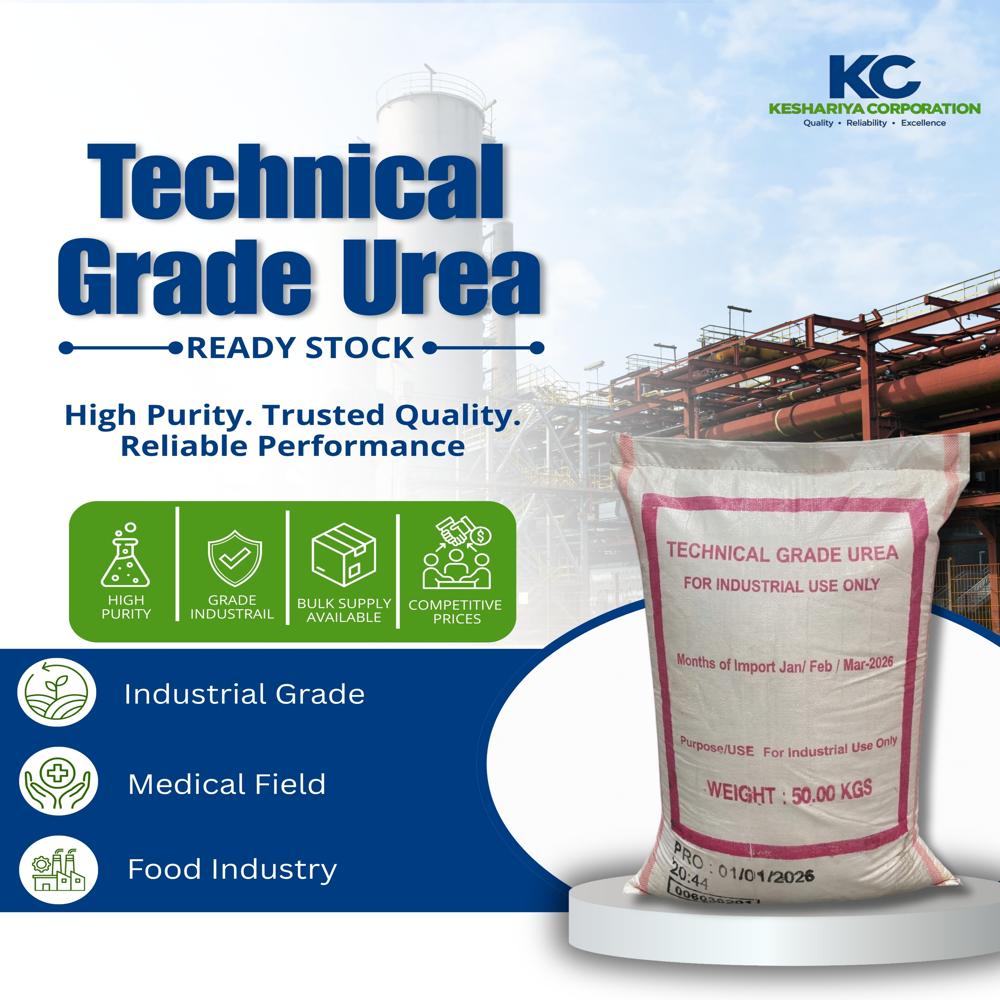
Urea Prilled Industrial

Urea Prilled Industrial

Price 36.0 INR / Kilograms

Minimum Order Quantity : 200 Kilograms

Usage : Industrial urea Nitrogen 46%.

Purity : Pure

CAS No : 57136

Grade : Industrial Grade
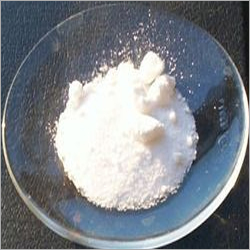
Sodium Metabisulfite

Sodium Metabisulfite

Price 33 INR / Kilograms

Minimum Order Quantity : 200 Kilograms

Usage : Added to local anaesthetic (lidocaine etc.) solutions to prevent oxidation of vasoconstrictor adrenaline and thus improve the shelf life of the solution[citation needed] It is used in photography.[9] Concentrated sodium metabisulfite can be used to remove tree stumps. Some brands contain 98% sodium metabisulfite, and cause degradation of lignin in the stumps, facilitating removal

Purity : 99%

CAS No : 7681574

Grade : Industrial Grade
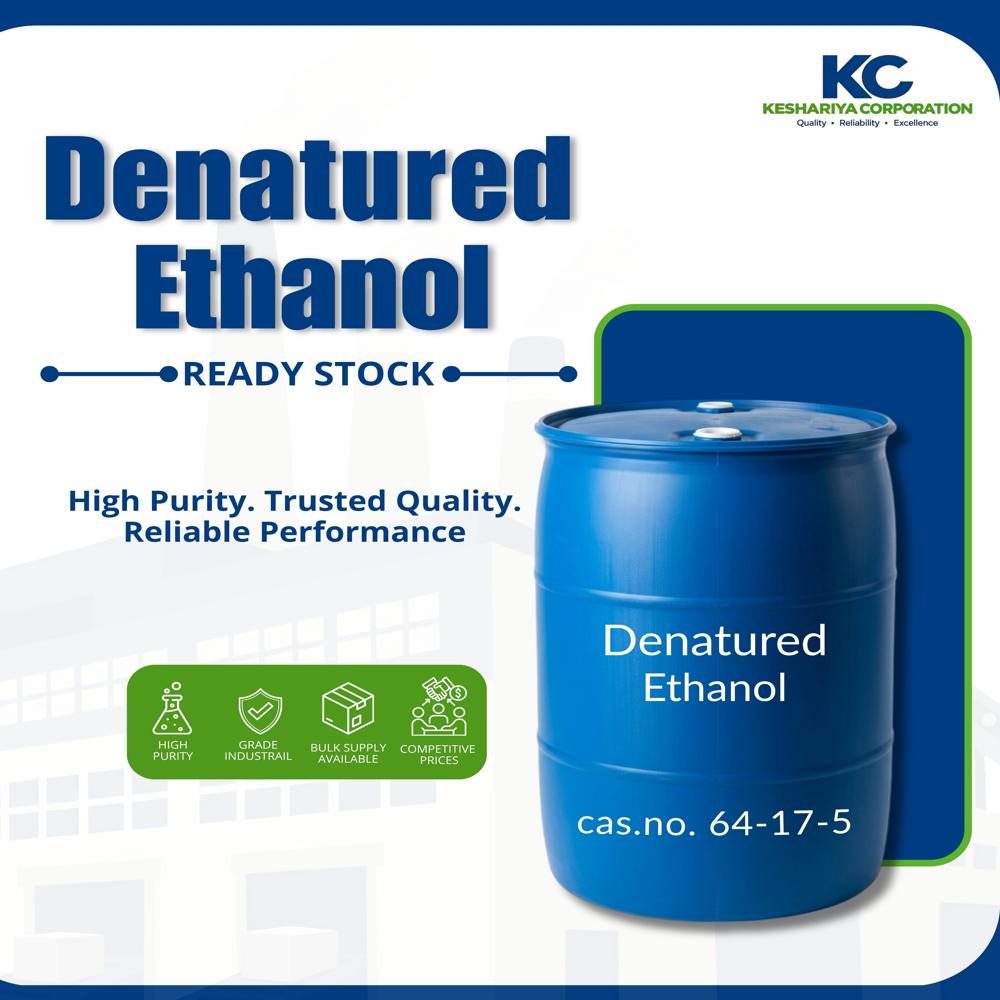
Denature Ethanol

Denature Ethanol

Price 75.00 INR / Liter

Minimum Order Quantity : 298 Liters

Usage : In many countries, sales of alcoholic beverages are heavily taxed for revenue and public health policy purposes (see Pigovian tax). In order to avoid paying beverage taxes on alcohol that is not meant to be consumed, the alcohol must be "denatured", or treated with added chemicals to make it unpalatable. Its composition is tightly defined by government regulations in countries that tax alcoholic beverages. Denatured alcohol is used identically to ethanol itself except for applications that involve fuel, surgical and laboratory stock. Pure ethanol is required for food and beverage applications and certain chemical reactions where the denaturant would interfere. In molecular biology, denatured ethanol cannot be used for the precipitation of nucleic acids.[2]

Purity : 99.5%

CAS No : 64175

Grade : Food Grade


Back to top