 GST : 27AJXPS1284N1Z4
 Call Us:- 07313726717GST : 27AJXPS1284N1Z4Call Us:- 07313726717
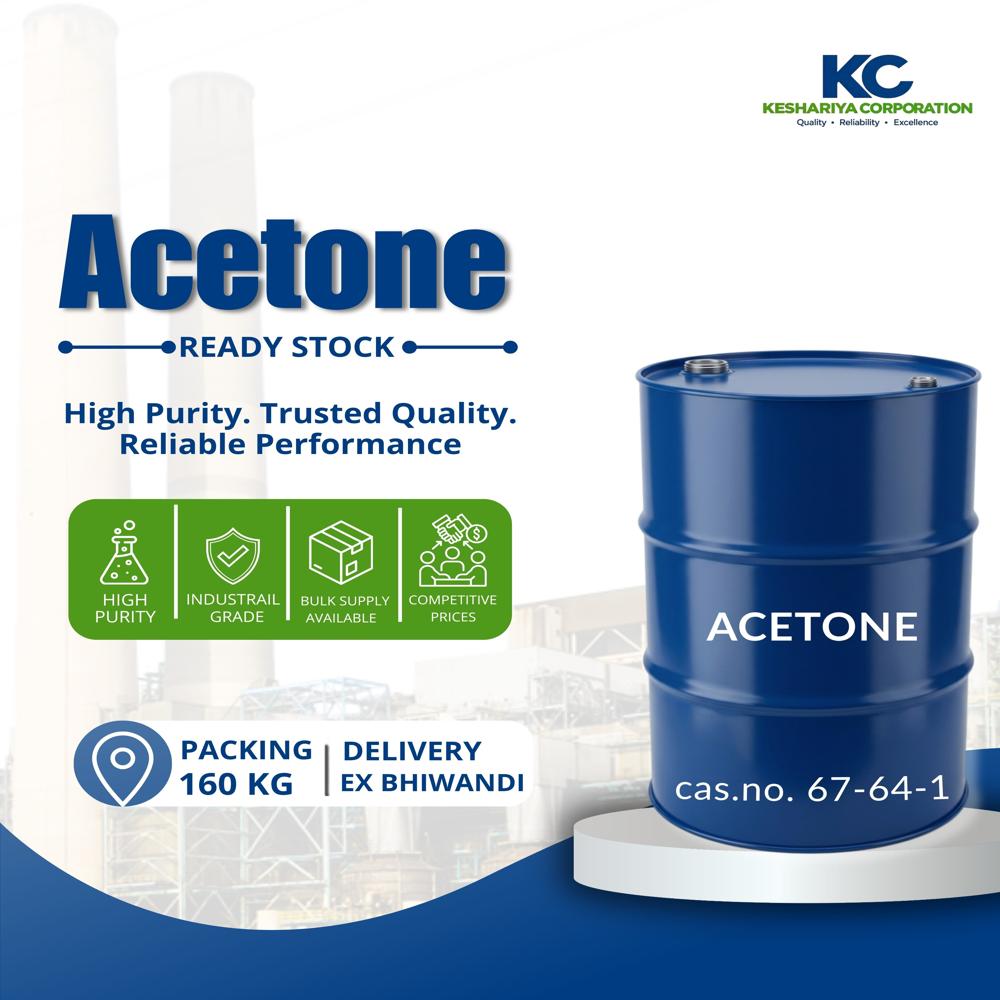
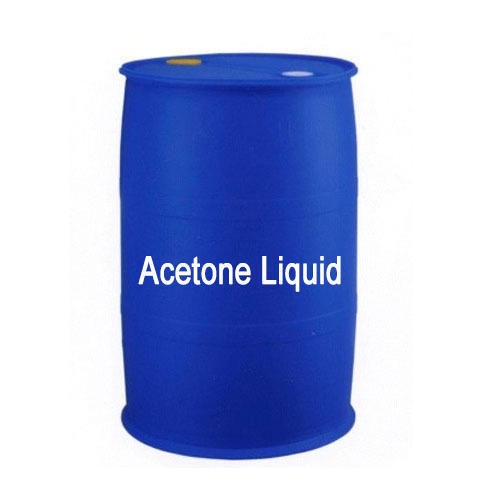
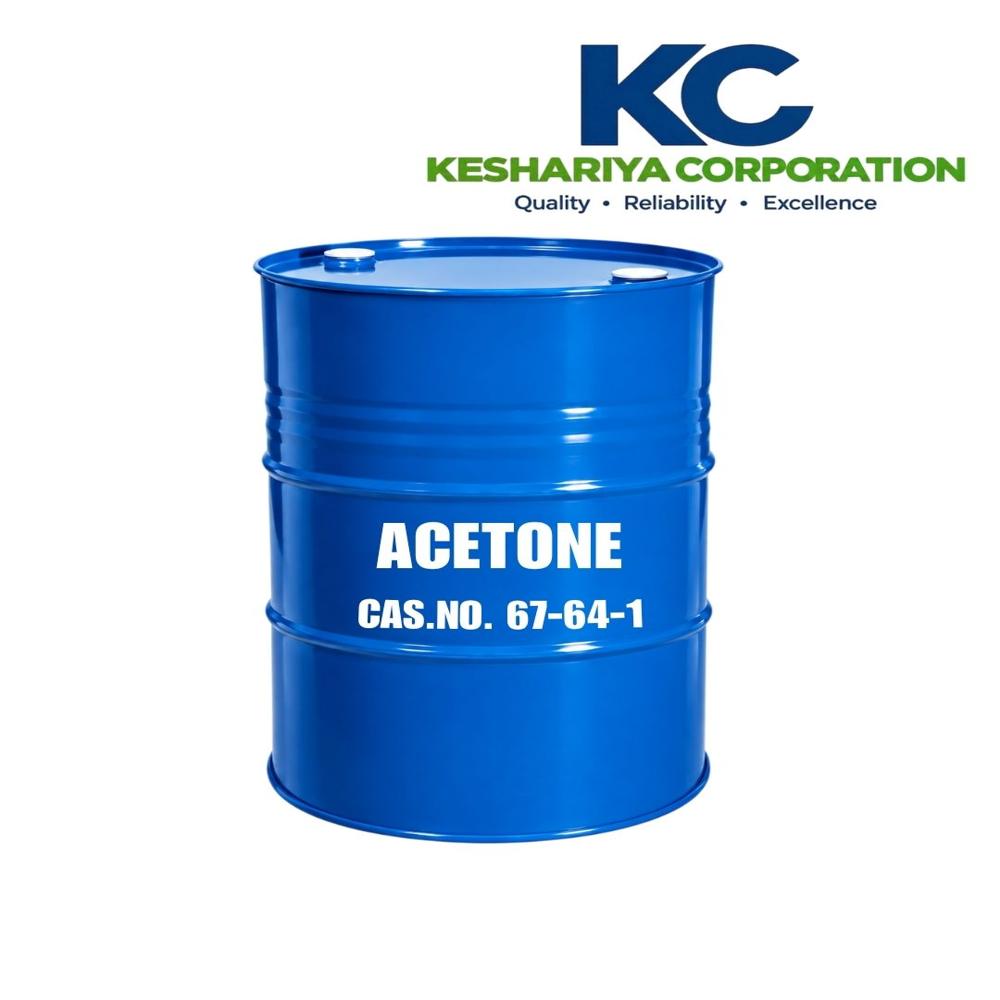

Acetone IP Grade is pure acetone; it is predominantly used in the pharmaceutical, medical, and laboratory sectors. In the pharmaceutical, medical, and laboratory industries, it is vastly used for good solvent properties in cleaning, sterilization, and analytical procedures. Acetone is highly efficient as a solvent, enabling the dissolution of fats, oils, waxes, resins, and plastics. This is often prepared by the cumene process, which entails the reaction of benzene with propylene to yield cumene that is then oxidized to yield acetone and phenol. Acetone IP Grade is also used for the extraction of active ingredients from plants or other natural sources in the manufacture of medicines.
The Acetone is organic compound with the formula & is a colorless, volatile, flammable liquid. They are the simplest ketone. Apart from this they are miscible with water and serves as an important solvent. They are typically used for clean

Price:
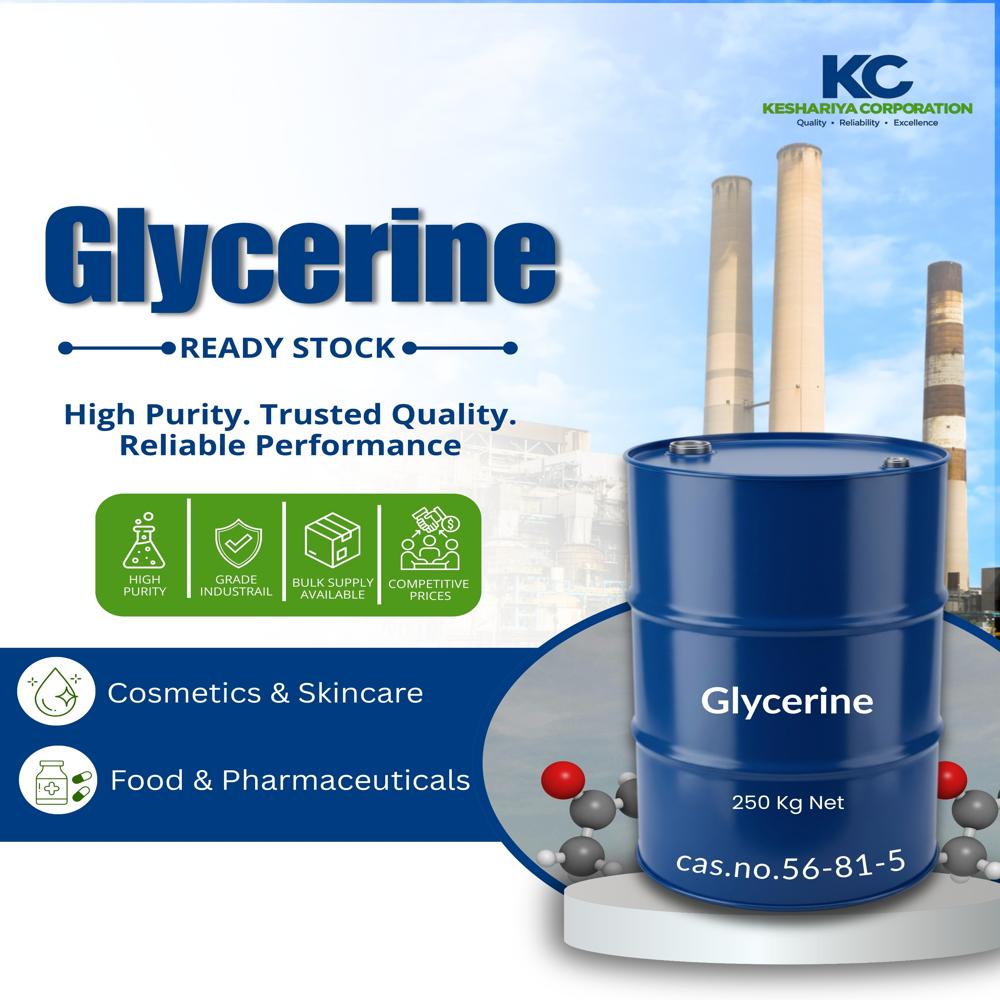
Price 160.0 INR / Kilogram
Minimum Order Quantity : 400
CAS No : 56815
Usage : Humectant, solvent, sweetener, lubricant, emulsifier Make: Godrej, Indonasia
Purity : 99.5% min
HS Code : 29054500
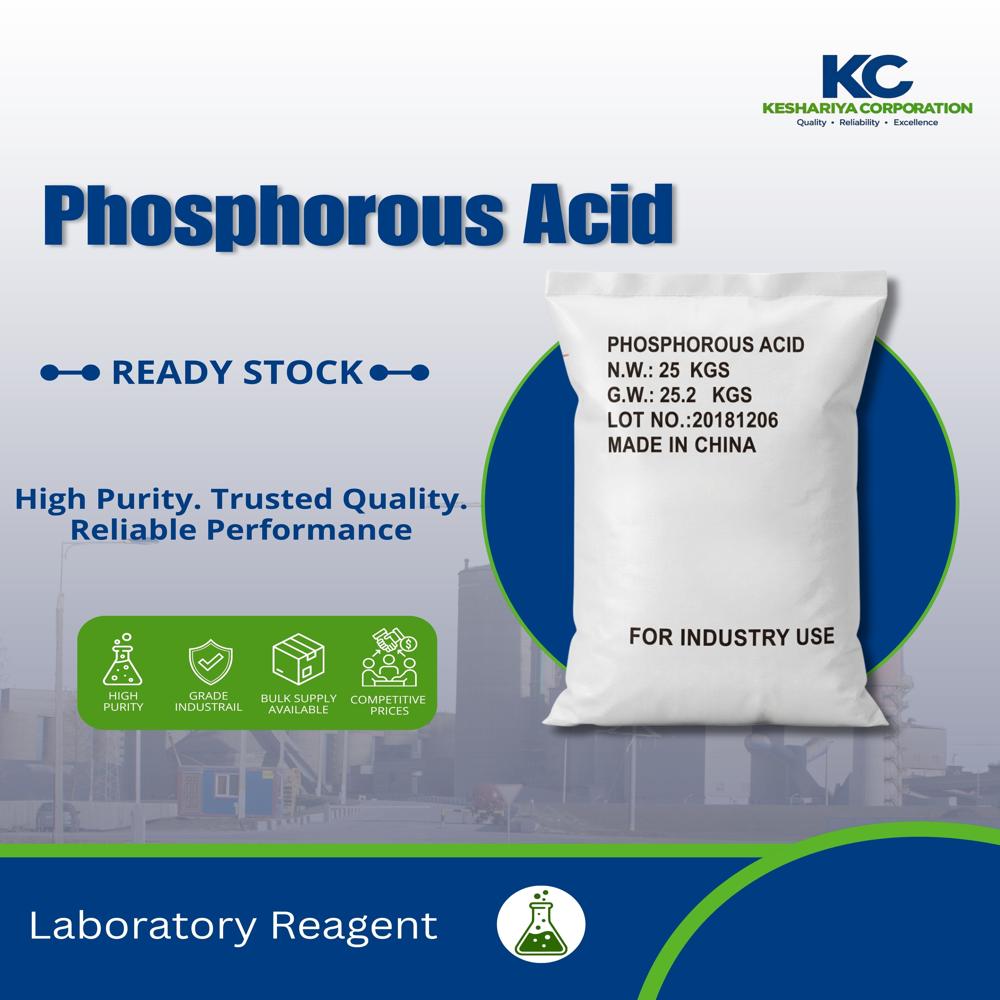
Price 215.00 INR / Kilograms
Minimum Order Quantity : 200 Kilograms
CAS No : 13598362
Usage : Pharma,Rubber, Textile,Industrial
Purity : 99%
HS Code : 28092010
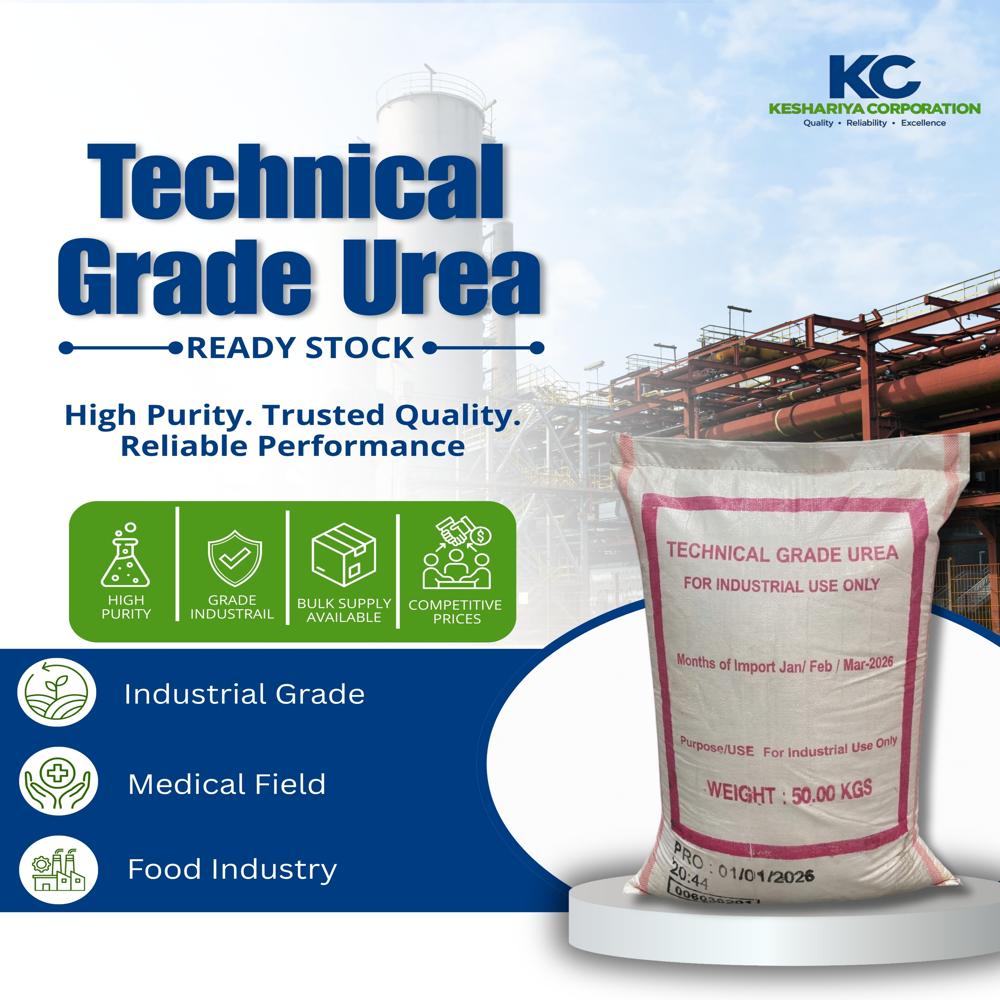
Price 36.0 INR / Kilograms
Minimum Order Quantity : 200 Kilograms
CAS No : 57136
Usage : Industrial urea Nitrogen 46%.
Purity : Pure
HS Code : 31021000
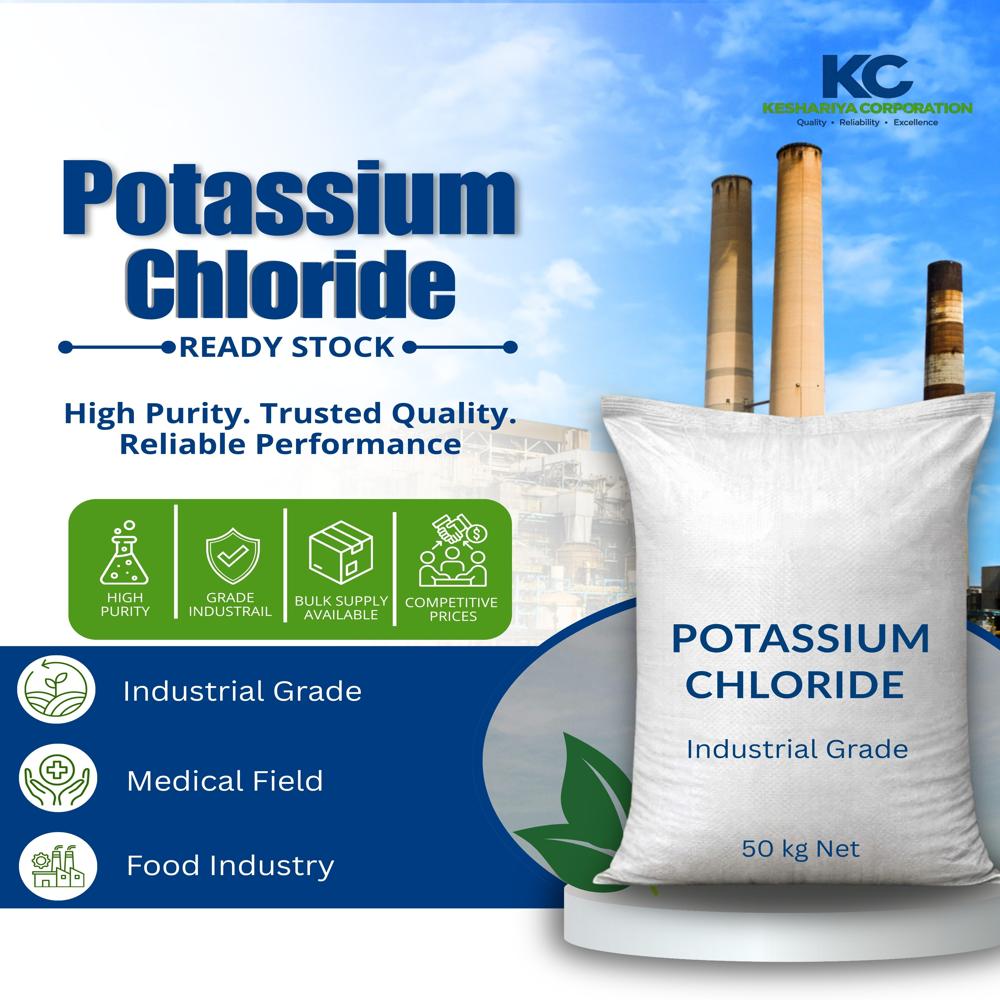
Price 36.00 INR / Kilograms
Minimum Order Quantity : 300 Kilograms
CAS No : 7447407
Usage : May be used for the preparation of phosphate buffered saline, and for the extraction and solubilization of proteins.
Purity : 99%
HS Code : 31042000
GST : 27AJXPS1284N1Z4






 Send Inquiry
 Send SMS


 English
 Spanish
 French
 German
 Italian
 Chinese (Simplified)
 Japanese
 Korean
 Arabic
 Portuguese