 GST : 27AJXPS1284N1Z4
 Call Us:- 07313726717GST : 27AJXPS1284N1Z4Call Us:- 07313726717
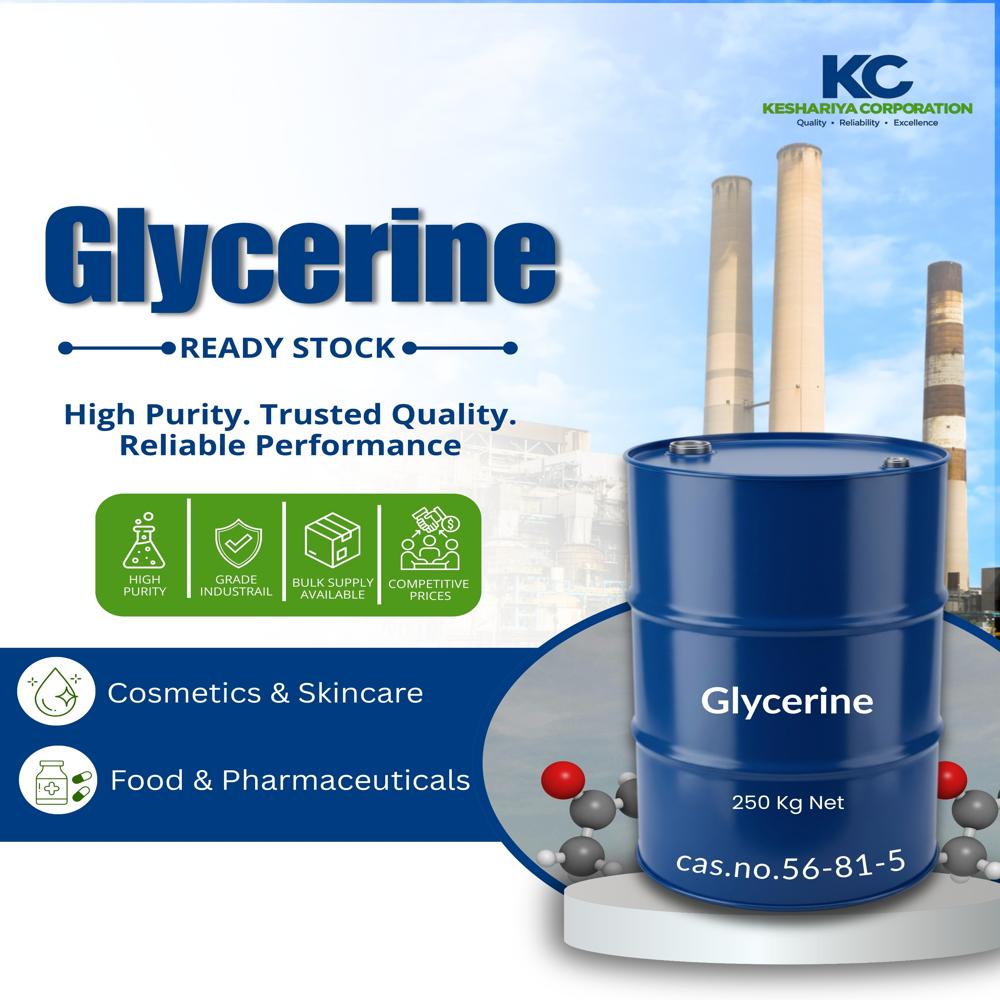
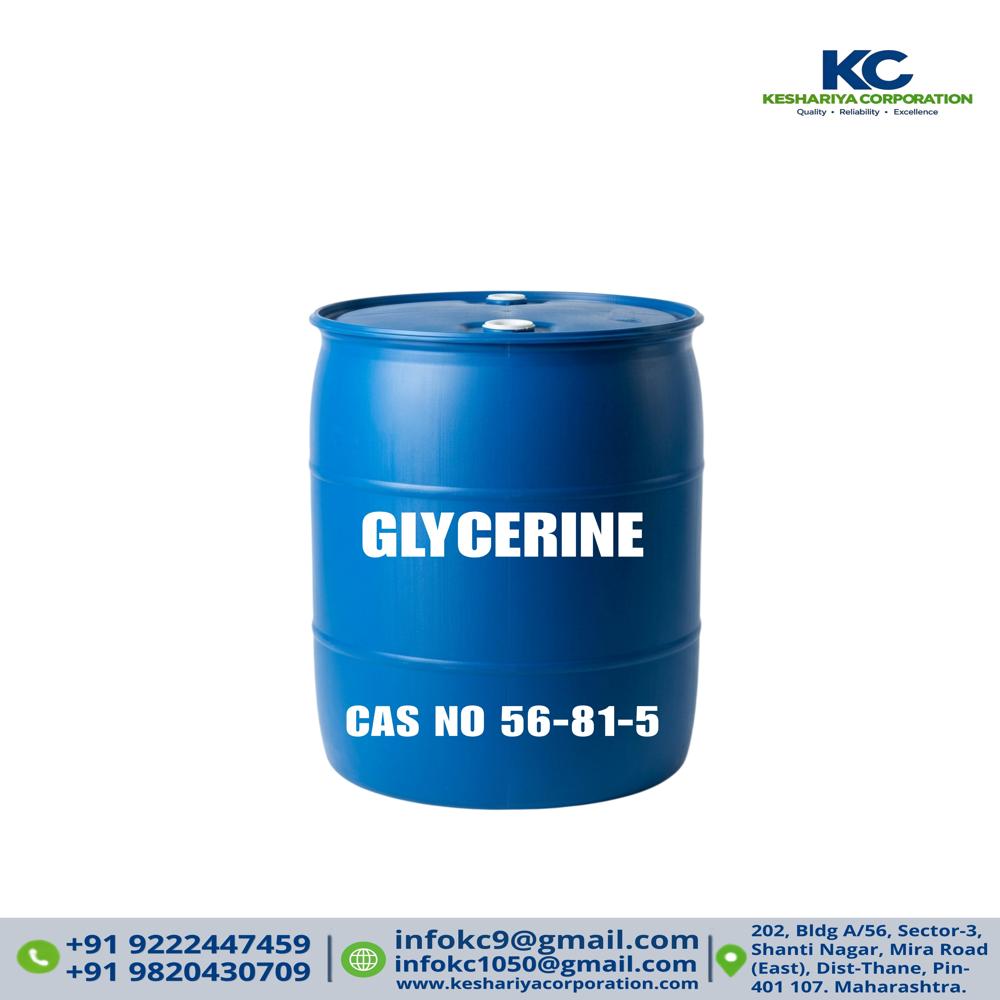

Keshariya Corporation is a trusted Glycerin supplier and wholesaler in Thane, Maharashtra, India, offering quality Glycerin for various industrial, commercial, pharmaceutical, cosmetic, and chemical requirements. Our Glycerin is supplied with a focus on consistent quality, proper packaging, dependable sourcing, and customer-specific requirements.
We cater to bulk and regular Glycerin requirements with competitive pricing and reliable supply. Our quality-focused team carefully checks the product and packaging process to help maintain consistent standards. With efficient logistics and professional service, Keshariya Corporation serves customers looking for a dependable Glycerin supplier and wholesaler across India.
Glycerin may be available in different grades and packaging sizes depending on customer requirements. Product availability and pricing can vary according to grade, quantity, packaging, and customization.

Price:

Price 46.0 INR / Kilograms
Minimum Order Quantity : 200 Kilograms
CAS No : 64197.
Usage : Industrial Use 99% Pure Imported make
Purity : >98% Purity
Form : Liquid
Price 150.0 INR / Liter
Minimum Order Quantity : 209
CAS No : 8012951
Usage : Industrial Use. Liquid paraffin, also known as paraffinum liquidum, paraffin oil, liquid paraffin oil or Russian mineral oil, is a very highly refined mineral oil used in cosmetics and medicine. Cosmetic or medicinal liquid paraffin should not be confused with the paraffin (i.e. kerosene) used as a fuel. The generic sense of paraffin meaning alkane led to regional differences for the meanings of both paraffin and paraffin oil. It is a transparent, colorless, nearly odorless, and oily liquid that is composed of saturated hydrocarbons derived from petroleum.[1
Purity : 99.9%
Form : Liquid
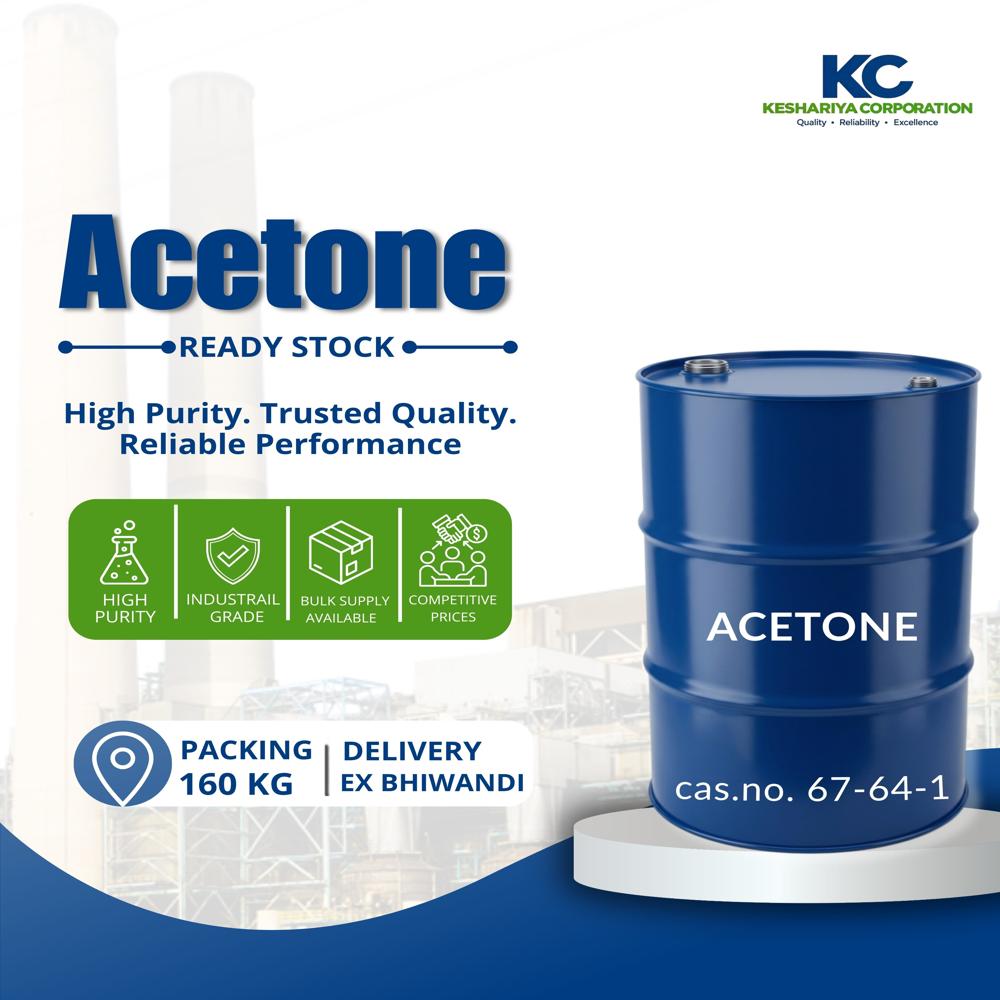
Price 120.00 INR / Kilograms
Minimum Order Quantity : 160 Kilograms
CAS No : 67641
Usage : Pharma ,Textile,Cosmetic. Acetone is the most commonly used solvent, which promotes protein precipitation and simultaneously dissolves nonpolar molecules like lipids.
Purity : Highpurity
Form : Liquid
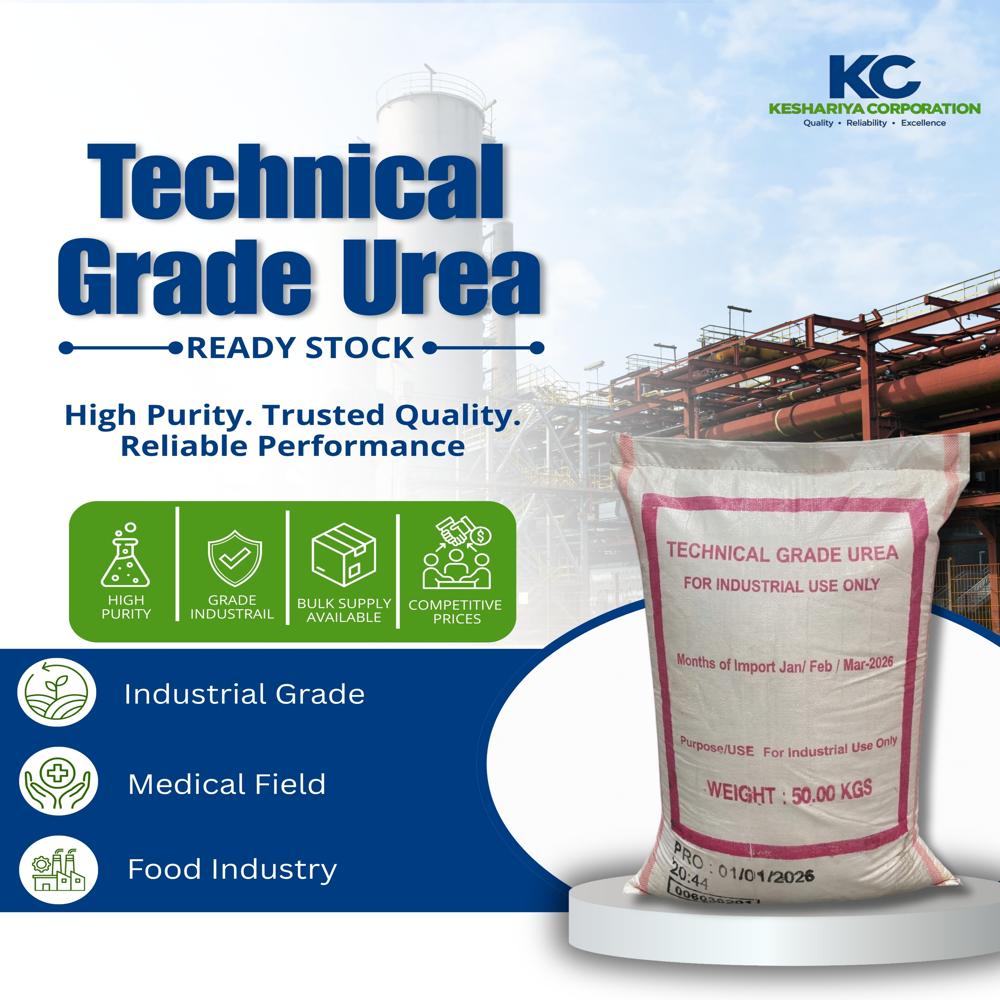
Price 36.0 INR / Kilograms
Minimum Order Quantity : 200 Kilograms
CAS No : 57136
Usage : Industrial urea Nitrogen 46%.
Purity : Pure
GST : 27AJXPS1284N1Z4






 Send Inquiry
 Send SMS


 English
 Spanish
 French
 German
 Italian
 Chinese (Simplified)
 Japanese
 Korean
 Arabic
 Portuguese