GSTGST : 27AJXPS1284N1Z4
Call UsCall Us:- 07313726717

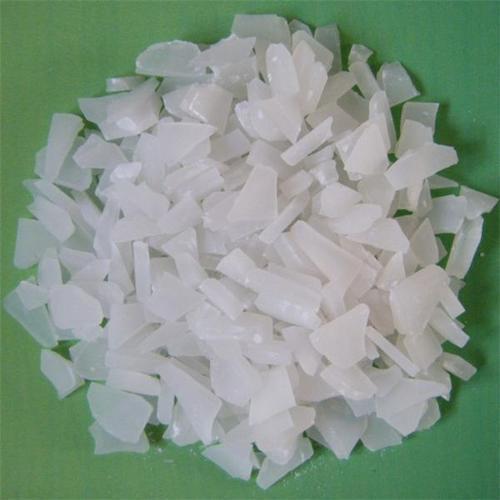
Caustic Potash Flakes

Caustic Potash Flakes

Caustic Potash Flakes Specification

  • Storage
  • Room Temperature
  • Purity
  • 99%
  • HS Code
  • 28152000
  • Chemical Name
  • Caustic Potash Flakes
  • CAS No
  • 1310-58-3
  • Usage
  • Potassium hydroxide can be found in pure form by reacting sodium hydroxide with impure potassium. It is usually sold as translucent pellets, which will become tacky in air because KOH is hygroscopic. Consequently, KOH typically contains varying amounts of water (as well as carbonates - see below). Its dissolution in water is strongly exothermic. Concentrated aqueous solutions are sometimes called potassium lyes. Even at high temperatures, solid KOH does not dehydrate readily
 

Caustic Potash Flakes Trade Information

  • Minimum Order Quantity
  • 200 Kilograms
  • FOB Port
  • Ex Bhiwandi,Maharashtra
  • Supply Ability
  • 50000 Kilograms Per Day
  • Delivery Time
  • 1 Days
  • Packaging Details
  • 50 Kgs
  • Main Domestic Market
  • All India
 

About Caustic Potash Flakes

The Caustic Potashis Also Known As Potassium Hydroxide Or Caustic Potash. They Are Extremely Versatile And Are Basically Used As Cleaning Agent. Apart From This They Are Highly Basic, Forming Strongly Alkaline Solutions In Water And Other Polar Solvents. The Caustic Potash (Are Capable Of Deprotonating Many Acids. They Are Also Used As Assay Acids. Further They Are Provided In A Sealed Container To Keep Them Sealed And Safe. Further They Are Free From Impurities And Moisture & Are Available At Reasonable Time.

Like Naoh, Koh Exhibits Highthermal Stability. Thegaseousspecies Isdimeric. Because Of Its High Stability And Relatively Lowmelting Point, It Is Often Melt-cast As Pellets Or Rods, Forms That Have Low Surface Area And Convenient Handling Properties.

Potassium Hydroxide Can Be Found In Pure Form By Reactingsodium Hydroxidewith Impurepotassium. It Is Usually Sold As Translucent Pellets, Which Will Become Tacky In Air Because Koh Ishygroscopic. Consequently, Koh Typically Contains Varying Amounts Of Water . Itsdissolutionin Water Is Stronglyexothermic. Concentrated Aqueous Solutions Are Sometimes Called Potassiumlyes. Even At High Temperatures, Solid Koh Does Not Dehydrate Readily.

Tell us about your requirement
product

Price:

Quantity
Select Unit

  • 50
  • 100
  • 200
  • 250
  • 500
  • 1000+
Additional detail
Mobile number

Email

More Products in Industrial Chemical Category

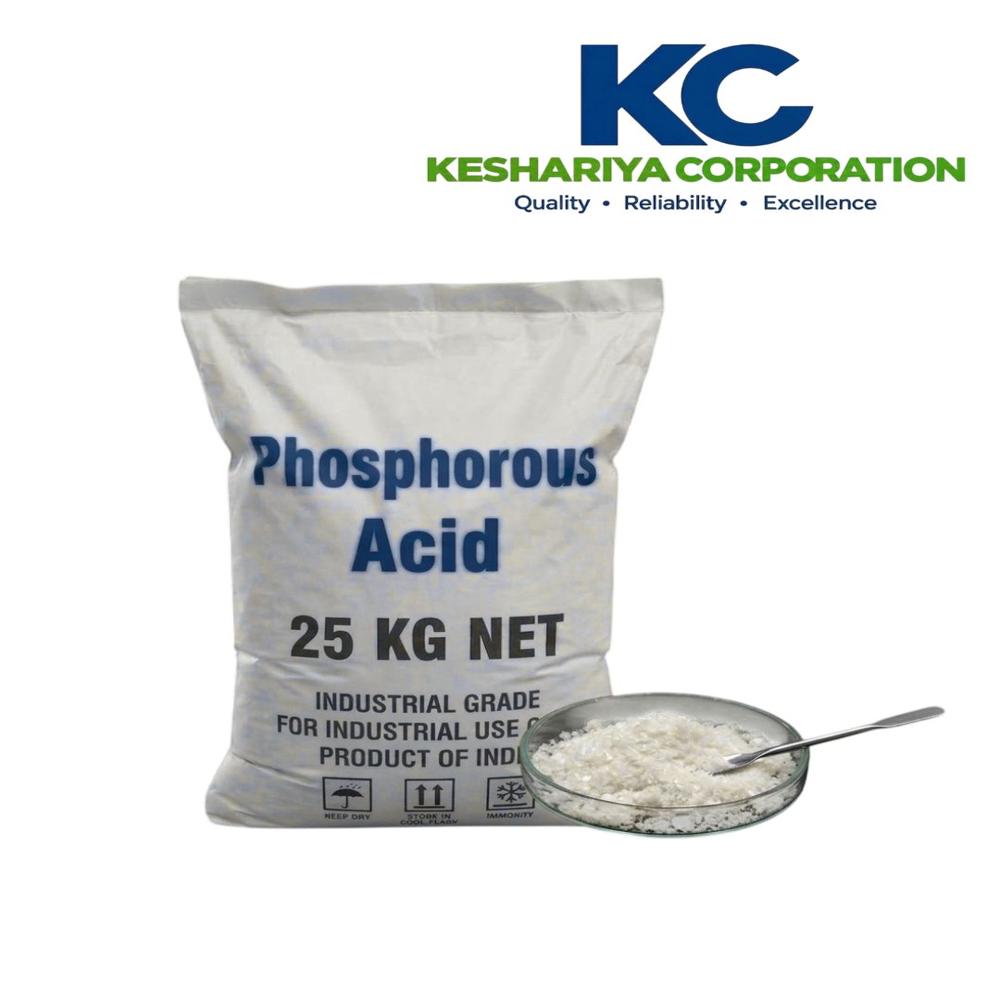
Phosphrous Acid

Phosphrous Acid

Price 155.0 INR / Kilograms

Minimum Order Quantity : 200 Kilograms

CAS No : 7664382

Purity : 99%

Usage : Phosphorus is an element essential to sustaining life largely through phosphates, compounds containing the phosphate ion. Phosphates are a component of DNA, RNA, ATP, and phospholipids, complex compounds fundamental to cells. Elemental phosphorus was first isolated from human urine, and bone ash was an important early phosphate source.

Grade : Industrial Grade

Urea Prilled Industrial

Urea Prilled Industrial

Price 36.0 INR / Kilograms

Minimum Order Quantity : 200 Kilograms

CAS No : 57136

Purity : Pure

Usage : Industrial urea Nitrogen 46%.

Grade : Industrial Grade

Xanthan Gum

Xanthan Gum

Price 230 INR / Kilograms

Minimum Order Quantity : 200 Kilograms

CAS No : 11138662

Purity : 99%

Usage : In cosmetics, xanthan gum is used to prepare water gels.[7] It is also used in oilinwater emulsions to enhance droplet coalescence.[8] Xanthan gum is under preliminary research for its potential uses in tissue engineering to construct hydrogels and scaffolds supporting threedimensional tissue formation

Grade : Pure

Glacial Acetic Acid

Glacial Acetic Acid

Price 57.00 INR / Kilograms

Minimum Order Quantity : 250 Kilograms

CAS No : 64197

Purity : 99 %

Usage : Glacial acetic acid is an excellent polar protic solvent, as noted above. It is frequently used as a solvent for recrystallization to purify organic compounds. Acetic acid is used as a solvent in the production of terephthalic acid (TPA), the raw material for polyethylene terephthalate (PET). In 2006, about 20% of acetic acid was used for TPA production

Grade : Food Grade


Back to top