 GST : 27AJXPS1284N1Z4
 Call Us:- 07313726717GST : 27AJXPS1284N1Z4Call Us:- 07313726717
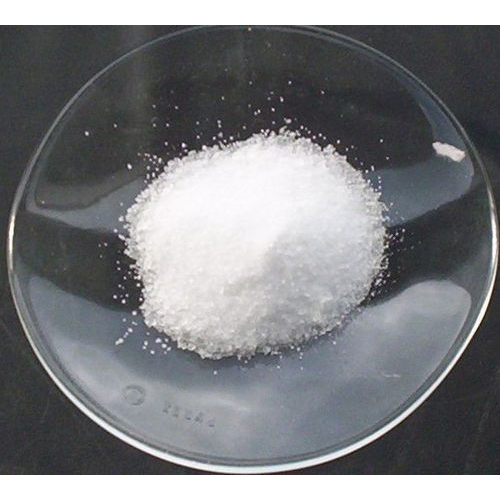
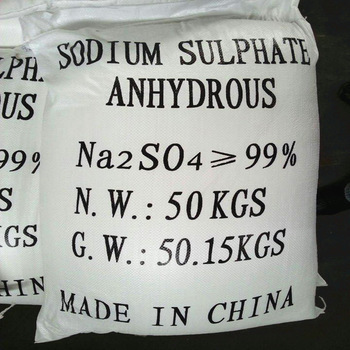


Price:
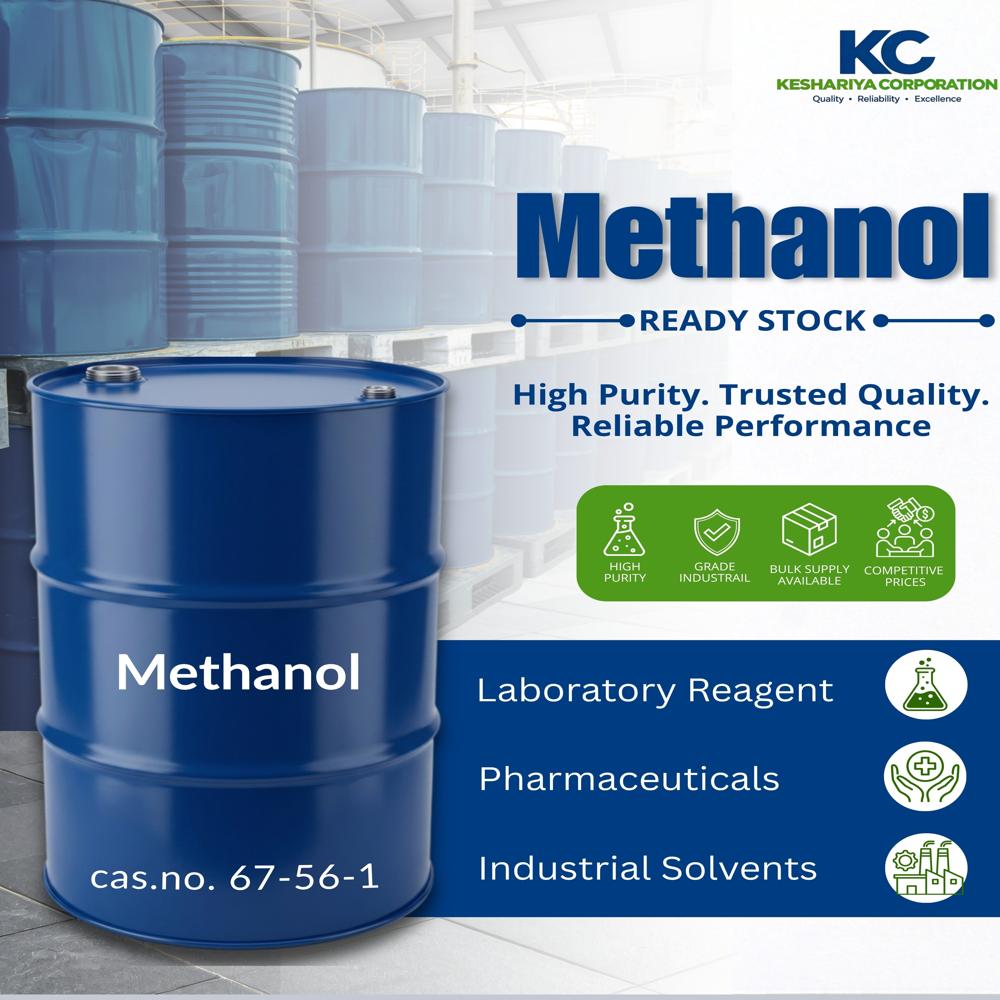
Price 50.00 INR / Liter
Minimum Order Quantity : 400 Liters
Usage : Industrial Use. 99 % Pure Make:Imported
Purity : 99.9%
CAS No : 67561
Grade : Other
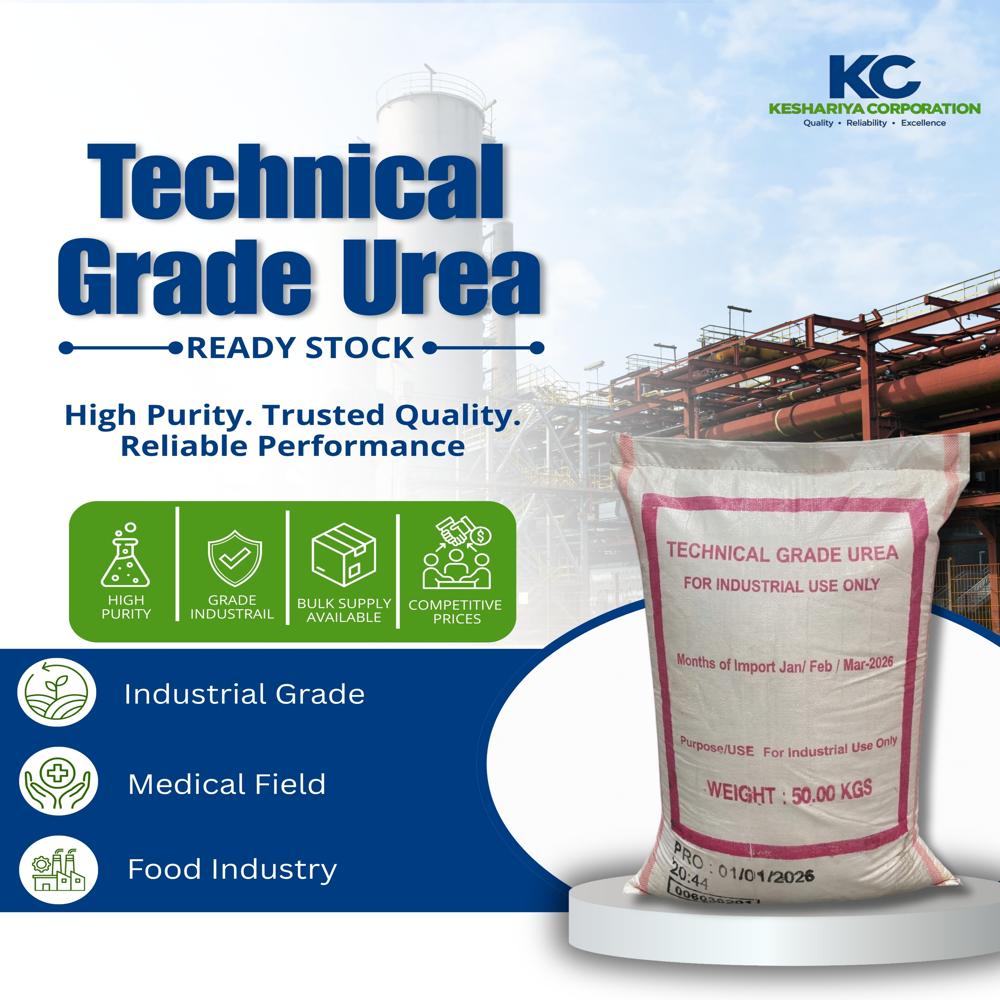
Price 36.0 INR / Kilograms
Minimum Order Quantity : 200 Kilograms
Usage : Industrial urea Nitrogen 46%.
Purity : Pure
CAS No : 57136
Grade : Industrial Grade
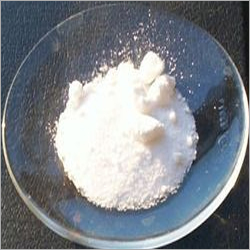
Price 33 INR / Kilograms
Minimum Order Quantity : 200 Kilograms
Usage : Added to local anaesthetic (lidocaine etc.) solutions to prevent oxidation of vasoconstrictor adrenaline and thus improve the shelf life of the solution[citation needed] It is used in photography.[9] Concentrated sodium metabisulfite can be used to remove tree stumps. Some brands contain 98% sodium metabisulfite, and cause degradation of lignin in the stumps, facilitating removal
Purity : 99%
CAS No : 7681574
Grade : Industrial Grade
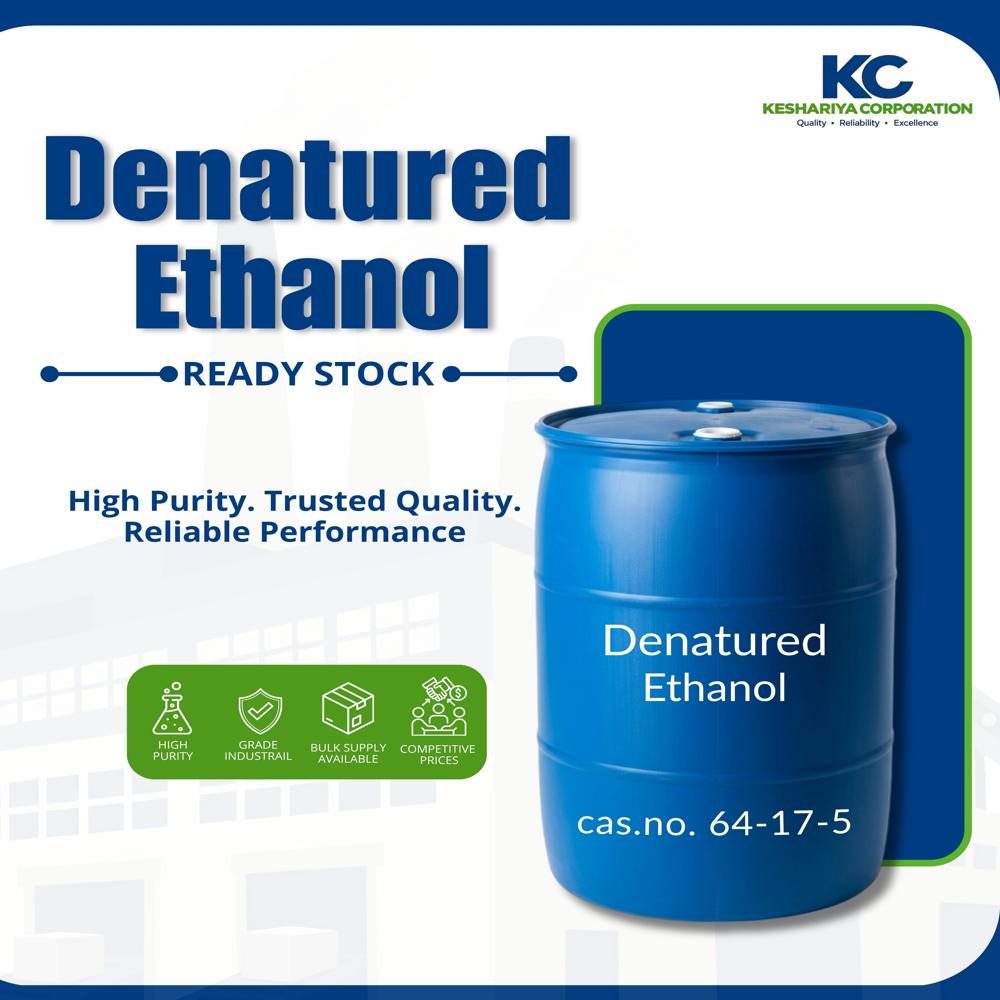
Price 75.00 INR / Liter
Minimum Order Quantity : 298 Liters
Usage : In many countries, sales of alcoholic beverages are heavily taxed for revenue and public health policy purposes (see Pigovian tax). In order to avoid paying beverage taxes on alcohol that is not meant to be consumed, the alcohol must be "denatured", or treated with added chemicals to make it unpalatable. Its composition is tightly defined by government regulations in countries that tax alcoholic beverages. Denatured alcohol is used identically to ethanol itself except for applications that involve fuel, surgical and laboratory stock. Pure ethanol is required for food and beverage applications and certain chemical reactions where the denaturant would interfere. In molecular biology, denatured ethanol cannot be used for the precipitation of nucleic acids.[2]
Purity : 99.5%
CAS No : 64175
Grade : Food Grade
GST : 27AJXPS1284N1Z4






 Send Inquiry
 Send SMS


 English
 Spanish
 French
 German
 Italian
 Chinese (Simplified)
 Japanese
 Korean
 Arabic
 Portuguese