 GST : 27AJXPS1284N1Z4
 Call Us:- 07313726717GST : 27AJXPS1284N1Z4Call Us:- 07313726717

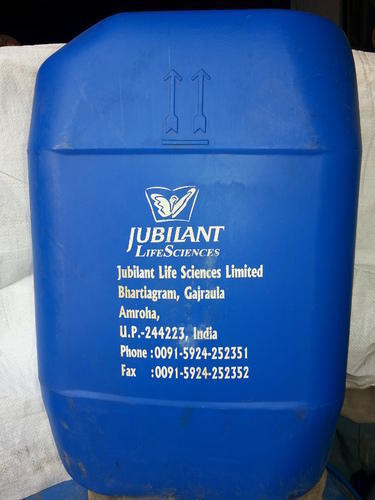
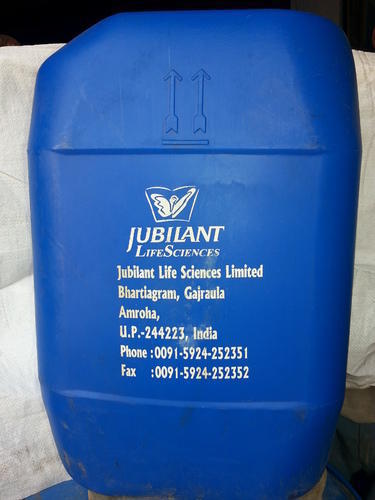

The Acetic Acid is also a colourless liquid organic compound. They sometimes called glacial acetic acid. & are the main component of vinegar apart from water. They have distinctive sour taste and pungent smell. They are also classified as a weak acid. The Acetic Acid partially dissociates in solution. Further they are considered as chemical reagent and used in industrial chemical for photographic film, polyvinyl acetate for wood glue, and synthetic fibres and fabrics. Further they are tested by our quality assurance team to ensure they are free from impurities.
Properties

Price:
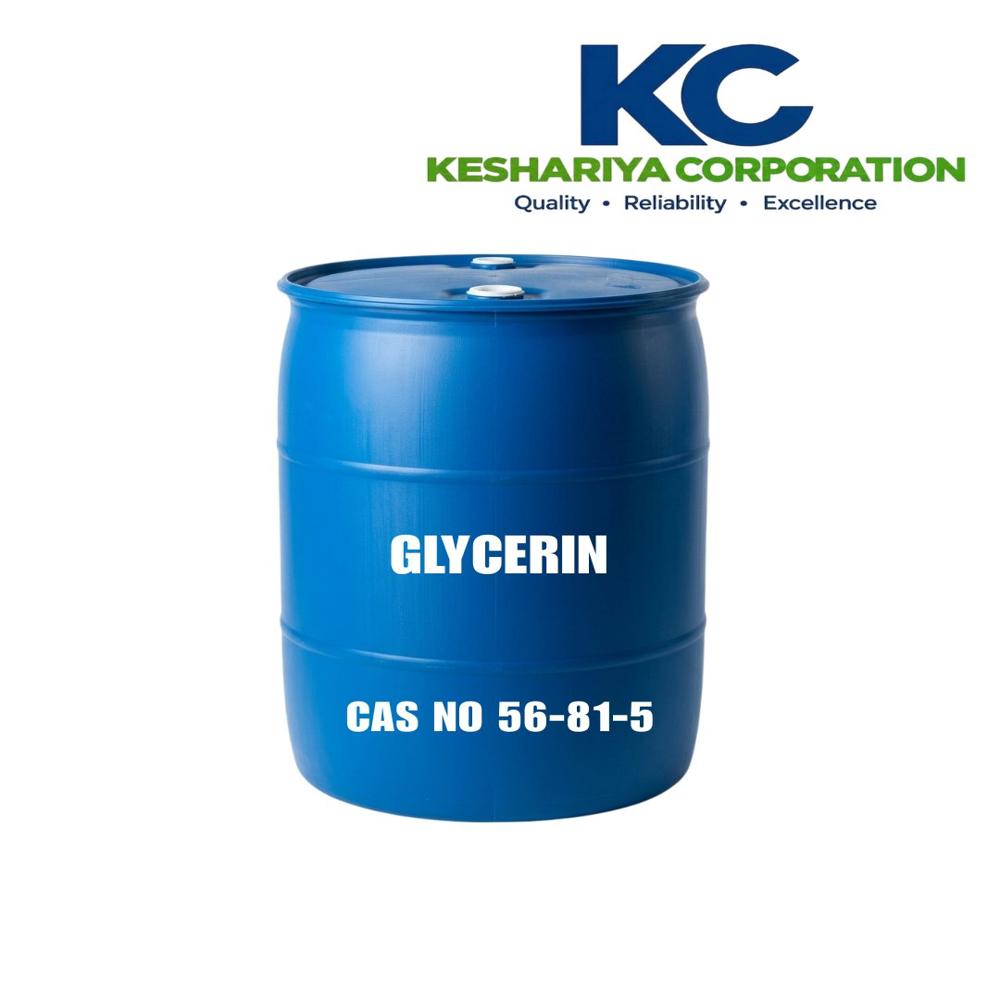
Price 160.00 INR / Kilograms
Minimum Order Quantity : 400
Storage : Other
HS Code : 29054500
Usage : Humectant, solvent, sweetener, lubricant, emulsifier Make: Godrej, Indonasia
Purity : 99.5% min
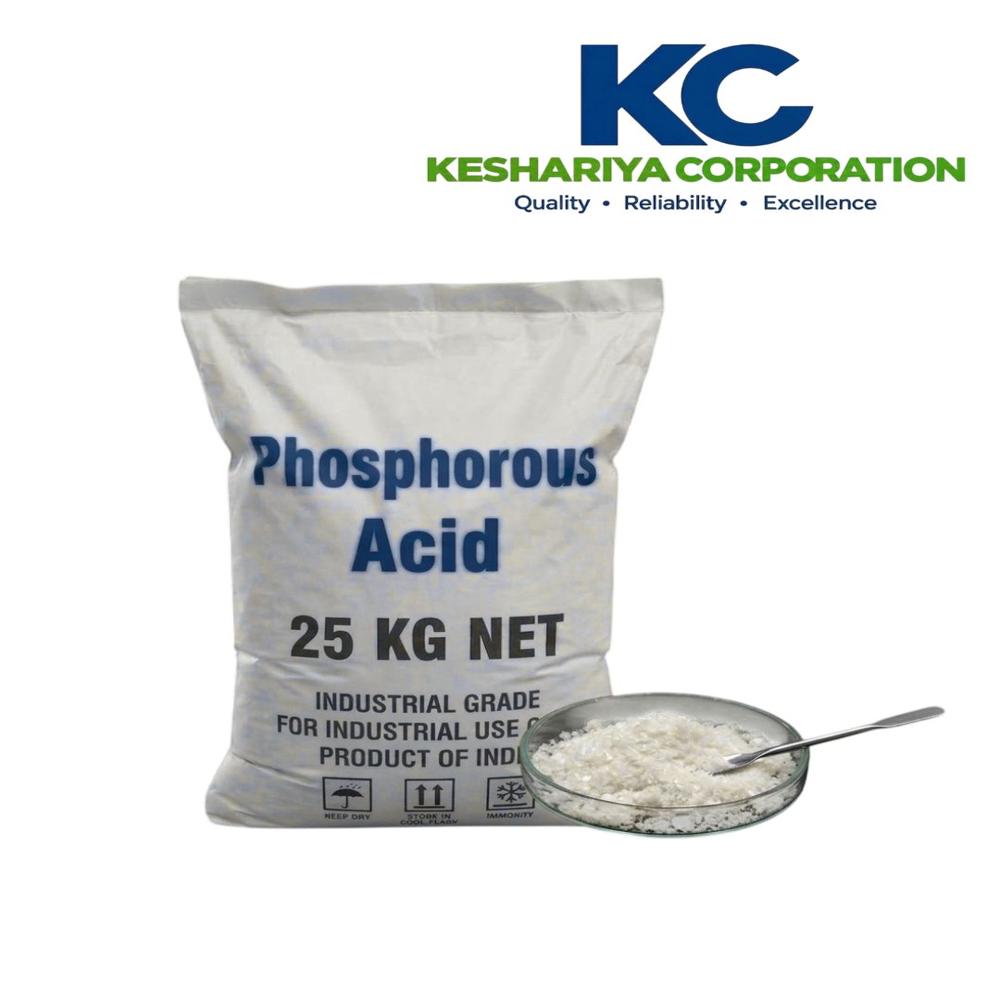
Price 245.00 INR / Kilograms
Minimum Order Quantity : 200 Kilograms
Storage : Room Temperature
HS Code : 28112990
Usage : Phosphorus is an element essential to sustaining life largely through phosphates, compounds containing the phosphate ion. Phosphates are a component of DNA, RNA, ATP, and phospholipids, complex compounds fundamental to cells. Elemental phosphorus was first isolated from human urine, and bone ash was an important early phosphate source.
Purity : 99%
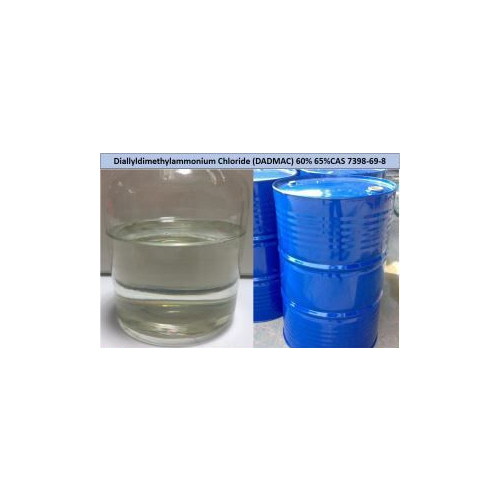
Price 105.0 INR / Kilograms
Minimum Order Quantity : 400 Kilograms
Storage : Room Temperature
HS Code : 29159010
Usage : Acetyl chloride (\(\text{CH}_3\text{COCl}\)) is a highly volatile, corrosive, and colorless liquid belonging to the acyl chloride class of organic compounds. Often abbreviated as \(\text{AcCl}\), it serves as a crucial reagent in organic synthesis, primarily used to introduce acetyl groups onto various chemical substrates
Purity : 99 %
Price 150.0 INR / Kilograms
Minimum Order Quantity : 200 Pieces
Storage : Dry Place
HS Code : 3505
Usage : White dextrins are used as: a crispness enhancer for food processing, in food batters, coatings, and glazes, (INS number 1400) a textile finishing and coating agent to increase weight and stiffness of textile fabrics a thickening and binding agent in pharmaceuticals and paper coatings a pyrotechnic binder and fuel; this is added to fireworks and sparklers, allowing them to solidify as pellets or "stars" a stabilizing agent for certain explosive metal azides, particularly Lead(II) azide
Purity : 99%
GST : 27AJXPS1284N1Z4






 Send Inquiry
 Send SMS


 English
 Spanish
 French
 German
 Italian
 Chinese (Simplified)
 Japanese
 Korean
 Arabic
 Portuguese