 GST : 27AJXPS1284N1Z4
 Call Us:- 07313726717GST : 27AJXPS1284N1Z4Call Us:- 07313726717
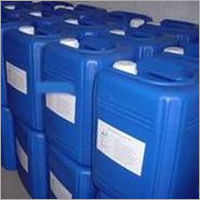


Price:
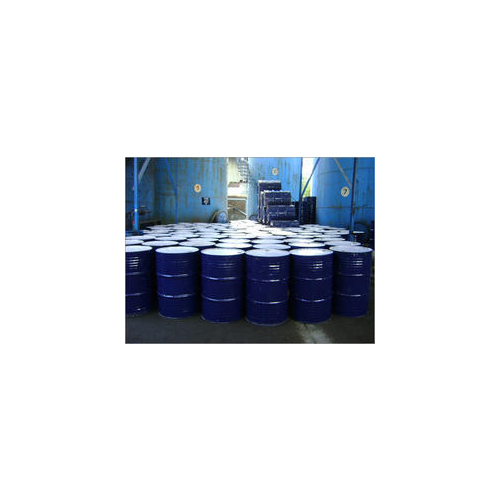
Price 150.0 INR / Liter
Minimum Order Quantity : 209
Purity : 99.9%
Usage : Industrial Use. Liquid paraffin, also known as paraffinum liquidum, paraffin oil, liquid paraffin oil or Russian mineral oil, is a very highly refined mineral oil used in cosmetics and medicine. Cosmetic or medicinal liquid paraffin should not be confused with the paraffin (i.e. kerosene) used as a fuel. The generic sense of paraffin meaning alkane led to regional differences for the meanings of both paraffin and paraffin oil. It is a transparent, colorless, nearly odorless, and oily liquid that is composed of saturated hydrocarbons derived from petroleum.[1
Form : Liquid
CAS No : 8012951
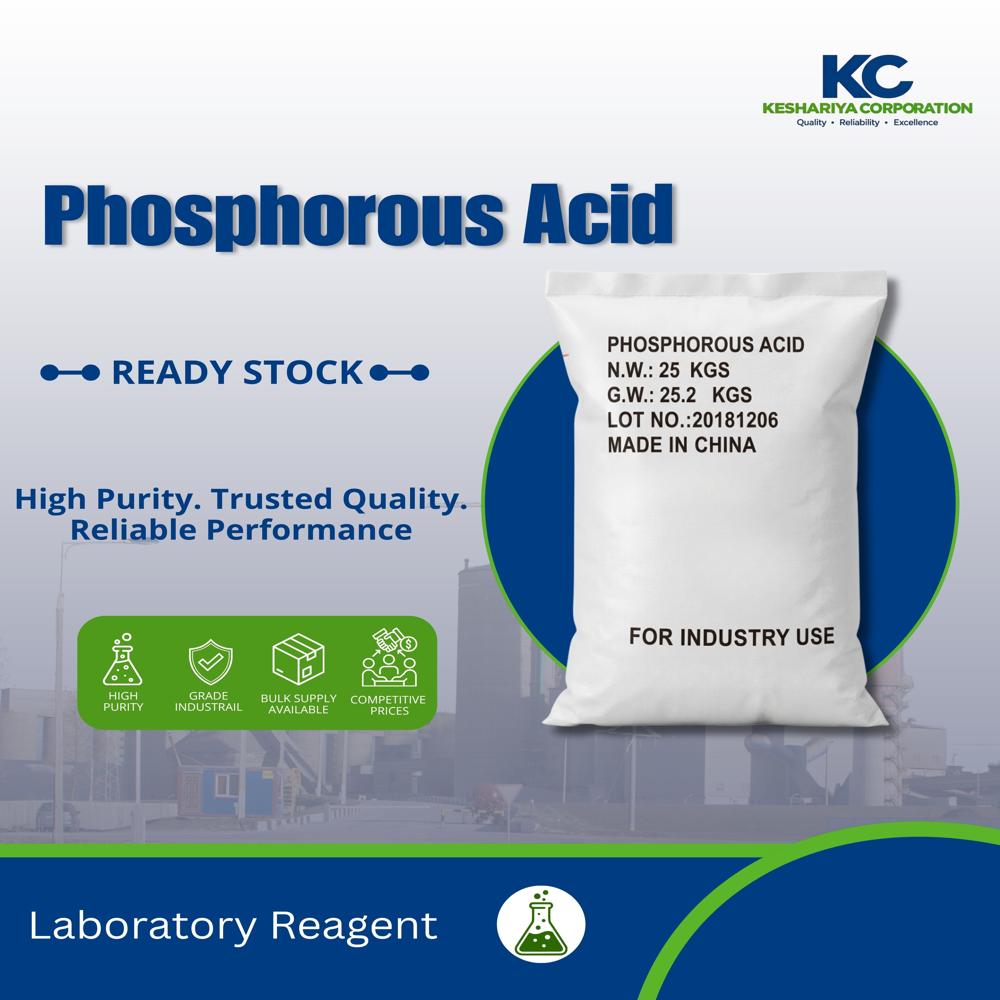
Price 245.00 INR / Kilograms
Minimum Order Quantity : 200 Kilograms
Purity : 99%
Usage : Phosphorus is an element essential to sustaining life largely through phosphates, compounds containing the phosphate ion. Phosphates are a component of DNA, RNA, ATP, and phospholipids, complex compounds fundamental to cells. Elemental phosphorus was first isolated from human urine, and bone ash was an important early phosphate source.
Form : Powder
CAS No : 7664382
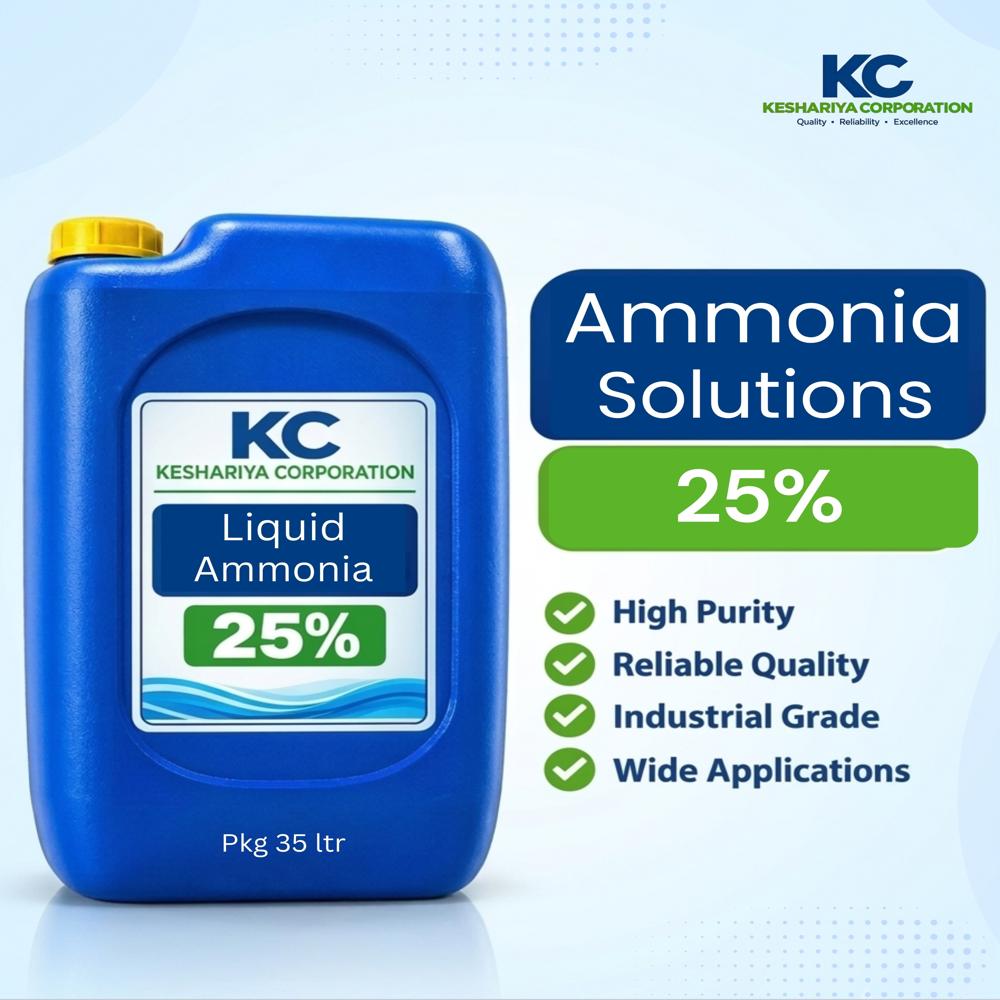
Price 36.00 INR / Kilogram
Minimum Order Quantity : 200
Purity : 99%
Usage : Ammonia is an inorganic chemical compound of nitrogen and hydrogen with the formula NH3. A stable binary hydride and the simplest pnictogen hydride, ammonia is a colourless gas with a distinctive pungent smel
Form : Liquid
CAS No : 9004539
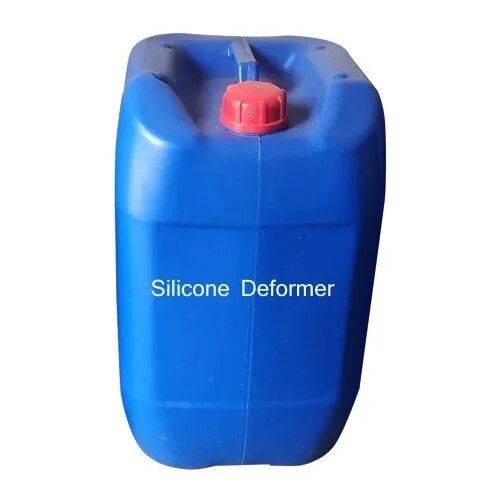
Price 150.0 INR / Kilograms
Minimum Order Quantity : 200 Pieces
Purity : 99%
Usage : White dextrins are used as: a crispness enhancer for food processing, in food batters, coatings, and glazes, (INS number 1400) a textile finishing and coating agent to increase weight and stiffness of textile fabrics a thickening and binding agent in pharmaceuticals and paper coatings a pyrotechnic binder and fuel; this is added to fireworks and sparklers, allowing them to solidify as pellets or "stars" a stabilizing agent for certain explosive metal azides, particularly Lead(II) azide
Form : Liquid
CAS No : 9004539
GST : 27AJXPS1284N1Z4






 Send Inquiry
 Send SMS


 English
 Spanish
 French
 German
 Italian
 Chinese (Simplified)
 Japanese
 Korean
 Arabic
 Portuguese